
Seriously, How Do You Solo Travel for the First Time? A Complete Beginner's Guide to Going Alone
A Reddit user asked: "Seriously, how do you solo travel for the first time?" This comprehensive guide answers that question with practical steps, real budgets, safety tips, and the honest truth about loneliness on the road.
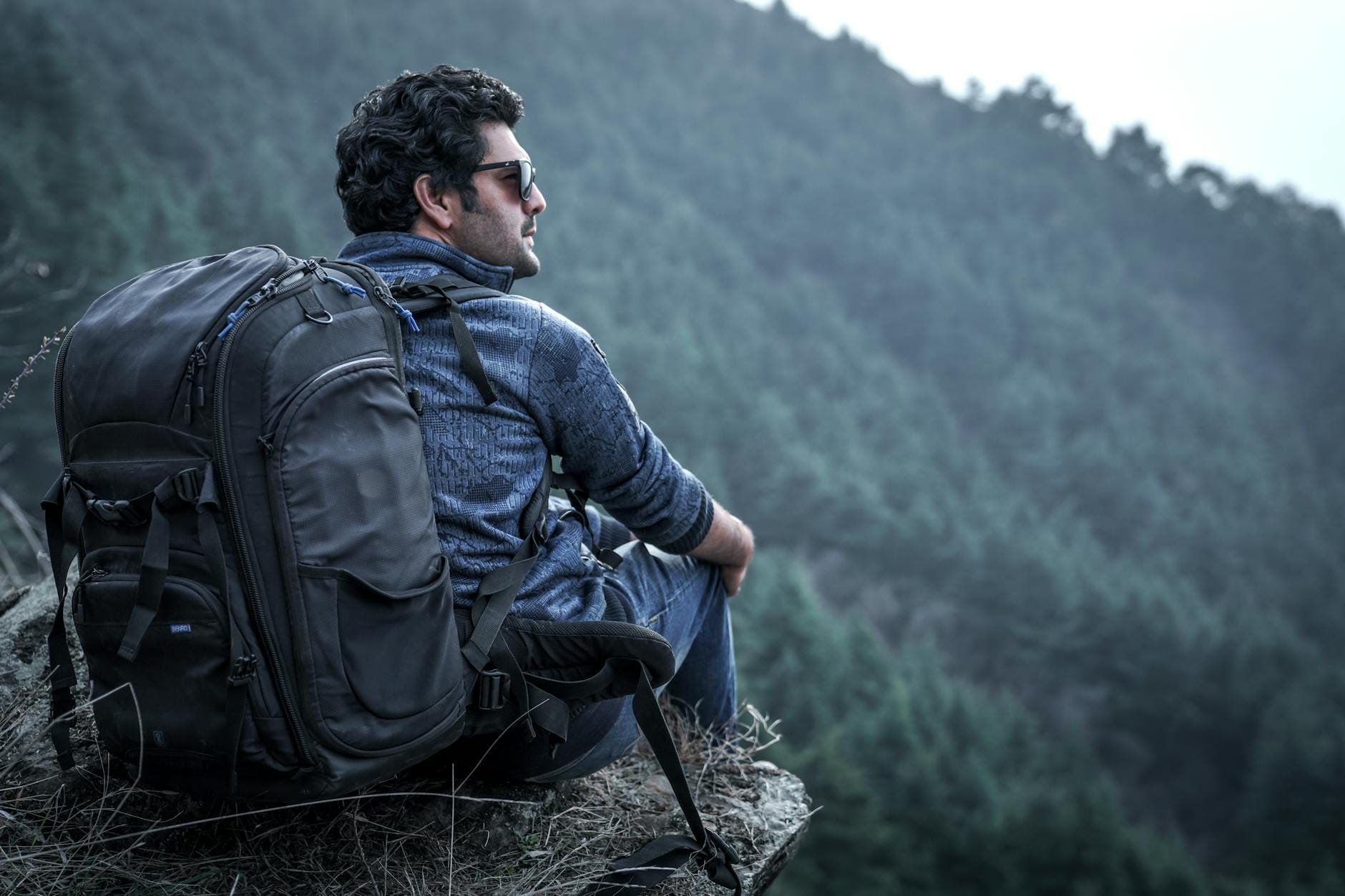

I remember staring at my laptop screen at 2 AM, cursor hovering over the "Book Now" button for a one-way flight to Lisbon. My heart raced. Every horror story my mother had ever shared about tourists getting pickpocketed played on repeat in my mind. I'd traveled before — family vacations, spring break trips with friends, work conferences — but always with someone else to split decisions, navigate confusing transit systems, or simply sit with me at dinner.
The Reddit thread title caught my attention because it echoed exactly what I felt: "Seriously, how do you solo travel for the first time?" Not the romanticized Instagram version with golden hour selfies at Santorini. The real, practical, slightly terrifying reality of landing alone in a foreign country where you don't speak the language and have nobody to call if things go sideways.
Three years and seventeen solo trips later, I can tell you this: that fear never fully disappears. It transforms into something else — a kind of alert confidence that serves you better than blind optimism ever could. Here's everything I wish someone had told me before my first solo adventure.
Start Smaller Than You Think You Should
The biggest mistake first-time solo travelers make? Going too big, too fast. A friend of mine announced she was quitting her job to backpack Southeast Asia for six months despite never having eaten dinner alone at a restaurant. She came home after three weeks, overwhelmed and disappointed.
Build your solo travel muscles progressively:
Level 1: The Weekend Test Drive
Book a weekend trip to a city 2-3 hours away by car or train. Stay in a hotel or Airbnb where your native language is spoken. Eat one meal alone at a sit-down restaurant. Visit one attraction by yourself. Take yourself out for coffee and people-watch for an hour. Cost: $200-400 for the weekend.
Level 2: The Domestic Solo Week
Plan a 5-7 day trip within your own country but far enough that you need to fly or take substantial transit. Navigate public transportation. Book activities through platforms like Viator or GetYourGuide where you'll join group tours. Stay in hostels or boutique hotels with common areas. Cost: $800-1,500 depending on destination.
Level 3: The International Introduction
Choose an English-friendly destination with strong tourism infrastructure — Ireland, New Zealand, Singapore, or the Netherlands work well. Plan 10-14 days. Mix structured activities (walking tours, day trips, cooking classes) with unstructured exploration. Cost: $1,800-3,000.
Only after completing these levels should you attempt the truly ambitious trips — multi-month backpacking routes through regions with language barriers, limited infrastructure, or significant cultural differences.
Pick the Right First Destination
Not all destinations are created equal for first-time solo travelers. You want somewhere that forgives mistakes. Here's what to prioritize:
Safety Metrics That Actually Matter
Ignore the "safest countries" lists that only consider violent crime. As a solo traveler, you're more concerned with:
- Petty theft rates (pickpocketing, bag-snatching)
- Quality of public transportation (safe, reliable, English signage)
- Tourism police presence and helpfulness
- Healthcare quality and English-speaking medical facilities
- Gender-based harassment levels (particularly important for women)
Best First-Time Solo Destinations by Region
Europe: Portugal (Lisbon and Porto offer walkable historic centers, excellent hostels, and a friendly, safe atmosphere). Daily budget: $80-120 for budget travelers, $150-200 for mid-range.
Asia: Taiwan (Taipei combines modern infrastructure with rich culture, incredible food scenes, and some of the world's most helpful locals). Daily budget: $50-80 budget, $100-140 mid-range.
Americas: Costa Rica (well-established tourist routes, adventure activities with built-in socializing, and plenty of other solo travelers). Daily budget: $70-100 budget, $140-200 mid-range.
Oceania: New Zealand (English-speaking, insanely helpful locals, established backpacker culture, stunning nature). Daily budget: $100-150 budget, $200-280 mid-range.
Book These Three Things Before You Panic
Anxiety thrives in uncertainty. Lock in these elements and your first solo trip becomes manageable:
1. Accommodation with a Social Component
Hostels aren't just for broke college students anymore. The modern hostel landscape includes boutique options with private rooms, pod hotels, and coliving spaces designed for remote workers.
What you're really buying isn't cheap beds — it's instant community. Hostel common rooms, rooftop bars, and organized activities solve the "dinner alone" problem and connect you with people who became my lifelong friends.
Top platforms: Hostelworld (best selection and reviews), Booking.com (filters for "hostels" work well), or Selina/Generator for upscale hostel chains.
2. Your First 48 Hours Structured
Book an airport transfer in advance (welcome pickups arranged through your accommodation work perfectly). Schedule a walking tour for your first morning — it orients you to the city and you'll meet other travelers. Plan one social dinner experience (food tour, cooking class, or hostel family meal) within the first two days.
After those 48 hours, you'll have contacts, orientation, and confidence to explore independently.
3. Travel Insurance That Covers Solo Incidents
Not all travel insurance treats solo travelers equally. You need coverage that includes:
- Emergency medical evacuation (without a companion to advocate for you)
- Trip interruption if you need to return home for family emergencies
- 24/7 emergency assistance hotline with translation services
- Coverage for theft of personal items (you're carrying everything alone)
World Nomads and SafetyWing specialize in solo and long-term traveler coverage. Expect to pay $50-100 per week depending on destination and age.
The Loneliness Question: What Nobody Talks About
Here's the truth that contradicts every inspirational solo travel quote: you will feel lonely. Probably multiple times. Sitting alone at a restaurant while couples laugh at the next table. Walking past groups of friends sharing inside jokes at a sunset viewpoint. Returning to an empty hotel room after an incredible day with nobody to immediately process the experience with.
This loneliness isn't a sign you're doing it wrong. It's part of the process. And it passes. Usually within 20 minutes, something shifts — you start a conversation with the bartender, you join a group activity, or you simply settle into your own company in a way that feels surprisingly peaceful.
Proven Strategies for Meeting People
Stay in hostels with strong community vibes. Look for reviews mentioning "social atmosphere," "easy to meet people," or organized activities. Hostels with bars, game nights, or group dinners practically guarantee connections.
Join free walking tours. Sandeman's and similar operators run tours in most major cities. Tip-based means the guides are motivated to create great experiences. Groups typically include 15-25 people — large enough to blend in if you're shy, small enough to actually talk to people.
Use Meetup and Facebook groups. Search "[City] digital nomads," "[City] expats," or "[City] backpackers" for events happening during your visit. Language exchange meetups work everywhere and attract both locals and travelers.
Take group classes. Cooking classes, surf lessons, yoga retreats, or wine tastings automatically put you in conversation with people who share your interests. The shared activity eliminates awkward small talk.
Safety Without Paranoia: A Solo Traveler's Mindset
The internet loves extremes — either "trust everyone, the world is safe!" or "never talk to strangers, carry pepper spray everywhere." The reality lives in the nuanced middle.
The "Trust But Verify" Approach
Most people you meet while traveling are genuinely kind. I've had strangers pay for my meals when my card failed, walk me to my destination when I was lost, and invite me into their homes for traditional dinners. The world contains far more helpers than predators.
However, solo travelers make easier targets than groups. The solution isn't suspicion of everyone — it's establishing verification systems:
- Share your live location with someone back home (WhatsApp and Google Maps both offer this)
- Text your accommodation name and room number to a trusted contact upon arrival
- Set check-in times — promise to message someone at specific intervals
- Keep digital copies of your passport and insurance in cloud storage
- Carry a decoy wallet with expired cards and small cash while keeping real valuables hidden
Situational Awareness Specifics
Don't walk while staring at your phone — you look lost and distracted. Don't wear expensive jewelry or flash large amounts of cash. Don't accept drinks you didn't watch being poured. Don't get so intoxicated you can't navigate home.
These aren't solo travel rules. They're basic urban survival skills that happen to matter more when traveling alone.
What to Pack (and What to Leave Behind)
Solo travelers carry everything themselves. Every item you pack becomes weight you'll lug up hostel stairs, across cobblestones, and through metro stations.
The Solo Travel Essentials
Portable charger (20,000mAh minimum). Your phone is your map, translator, camera, and emergency contact. Dead battery = vulnerability. Anker PowerCore models run $40-60 and charge phones 4-6 times.
Door stop alarm. $15 on Amazon. Wedge it under your hotel room door at night. If someone tries to enter, it emits ear-splitting alarm. Provides peace of mind in budget accommodations or questionable neighborhoods.
Crossbody bag with locking zippers. Pacsafe and Travelon make theft-resistant bags ($50-100) with slash-proof straps and RFID-blocking pockets. Your valuables stay attached to your body, not dangling off one shoulder.
Universal adapter with USB ports. One device charges everything. Look for models with surge protection ($20-30).
First aid kit. Bandages, antibiotic ointment, Imodium, electrolyte packets, blister pads, and any prescription medications in original bottles with copies of prescriptions.
What You Don't Need
Leave the "just in case" clothing at home. If you need something, you'll buy it there — often cheaper than at home and it becomes a souvenir. Ditch the expensive camera unless photography is your primary purpose; modern smartphones capture stunning travel photos without the theft risk or weight.
The First Solo Meal: A Rite of Passage
Nothing triggers social anxiety quite like walking into a restaurant alone. The hostess asks "Table for...?" and you watch her eyes scan behind you for your missing companion. The waiter removes the second place setting with obvious pity.
Here's how to actually enjoy dining alone:
Bar seating is your friend. Counter seats, communal tables, or bar areas eliminate the awkward empty chair problem. You can chat with bartenders (who often give insider recommendations) or strike up conversations with neighboring diners.
Bring entertainment intentionally. A Kindle, journal, or phone loaded with offline content transforms alone time into productive time. I write my best travel reflections during solo dinners.
Street food and markets solve everything. No hostess, no table settings, no expectations. Grab something delicious, find a bench or plaza, and eat while people-watching. Some of my best travel meals cost under $5 eaten standing at a market stall.
Breakfast is the training wheels meal. Solo breakfast feels completely normal — business travelers do it constantly. Start there, work up to lunch, and eventually dinner alone becomes just another meal.
When Things Go Wrong (Because They Will)
Missed connections. Stolen wallets. Food poisoning in a hostel with shared bathrooms. Getting spectacularly lost in neighborhoods with no cell service. These moments define solo travel more than the perfect sunset photos.
The difference between a travel disaster and a travel story often comes down to preparation and mindset:
The Problem-Solving Framework
Stop. Panic clouds judgment. Find somewhere safe to sit. Breathe.
Assess. What's actually wrong? What's the worst realistic outcome? What resources do you have? (Cash, phone battery, passport location, accommodation address)
Connect. Contact someone — accommodation staff, travel insurance hotline, embassy if serious, or even a friend back home who can research solutions while you handle immediate needs.
Act. Take one small step. Then another. Problems dissolve when approached incrementally.
Common Solo Travel Crises and Solutions
Lost or stolen passport: Embassy visit (always know the location before arrival), police report for insurance, backup ID from cloud storage helps with hotel check-ins temporarily.
Card declined abroad: Multiple cards from different banks, notify banks of travel dates in advance, carry $200-300 emergency cash in mixed denominations hidden in separate locations.
Missed flight/connection: Travel insurance covers reasonable accommodation and rebooking costs. Airline apps often rebook automatically. Don't panic-buy expensive new tickets until checking all options.
Serious illness or injury: Travel insurance emergency line first. They direct you to approved facilities. Embassies maintain lists of English-speaking doctors. Don't delay care due to cost concerns — that's what insurance covers.
What Solo Travel Actually Costs
Budget estimates vary wildly depending on destination and travel style, but here's what first-time solo travelers should realistically expect:
Budget Tier ($50-80/day)
Hostel dorms, street food and grocery stores, walking and public transit, free activities, minimal shopping. Destinations: Southeast Asia, Eastern Europe, parts of Central America. This requires comfort with basic conditions and significant planning.
Mid-Range Tier ($120-200/day)
Private hostel rooms or budget hotels, one restaurant meal daily plus cheaper options, occasional tours and activities, comfortable but not luxury transportation. Destinations: Western Europe, Japan, Australia, urban areas in most regions. This is the sweet spot for most first-time solo travelers.
Comfort Tier ($250-400/day)
Boutique hotels or Airbnb apartments, unrestricted dining, private transportation when convenient, guided experiences, shopping. Destinations: Anywhere, though this budget goes further in lower-cost regions. Reduces friction and stress significantly.
Add 20% to any estimate for your first trip — you'll make expensive mistakes, book last-minute when plans fail, and splurge on comfort when overwhelmed. That's normal. Budget for it.
The Transformation Nobody Warns You About
Solo travel changes you in ways group travel never could. You become the person who navigates unfamiliar subway systems without anxiety. Who starts conversations with strangers at coffee shops. Who trusts their own judgment when plans collapse. Who knows they can handle being alone without being lonely.
Three years after that terrifying Lisbon booking, I genuinely prefer traveling solo. I move at my own pace. I change plans spontaneously without negotiating with companions. I meet more interesting people because I'm approachable as an individual rather than insulated within a group.
That first trip will feel overwhelming. You'll question your decision multiple times. You'll probably call home more than expected. And then, somewhere around day three or four, something shifts. You realize you've got this. You've navigated a foreign city, ordered food in broken Spanish, made a friend from another continent, and watched a sunset that nobody else will fully understand the significance of.
The Reddit question asks "Seriously, how do you solo travel for the first time?" The answer is simpler than the anxiety suggests: you book the ticket, you get on the plane, and you figure it out one challenge at a time. Millions of people have done this before you. The infrastructure exists to support you. The world is more welcoming than the news suggests.
Your first solo trip won't be perfect. It will be real. And that's infinitely more valuable than any filtered Instagram version could ever be.
Sources
- Solo Traveler World - "Travel Solo for the First Time: Complete Guide for Newbies" (2025)
- Reddit r/solotravel - "Solo Travel Tips for First Timers" community thread
- Outside Odyssey - "A Guide to Planning Your First Solo Trip Without Losing Your Mind"
- Reddit r/travel - "Solo travel — how to begin" discussion thread