
First Time in Vietnam? Here's the Perfect 2-Week Itinerary for 2026 (With Real Costs)
Planning your first Vietnam trip? This complete 2-week itinerary covers everything from Ho Chi Minh City's energy to Ha Long Bay's limestone karsts, with real 2026 costs for every budget level.
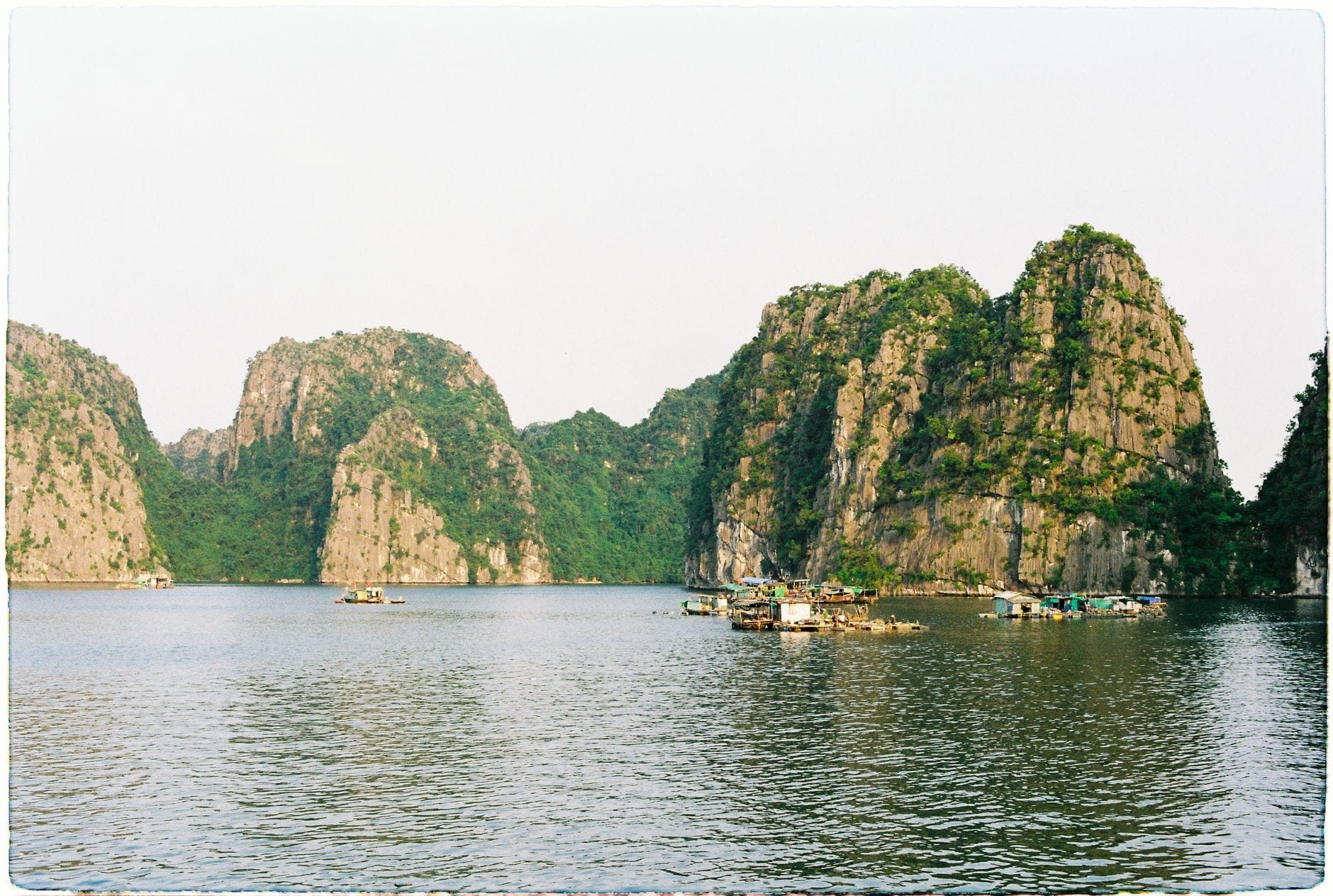
Vietnam has become the destination everyone is talking about in 2026. With its dramatic limestone karsts rising from emerald waters, ancient towns illuminated by thousands of silk lanterns, and some of the world's most affordable and delicious street food, it's no wonder travelers are flocking here. But planning your first trip can feel overwhelming. Should you start in the north or south? Is two weeks enough? How much money do you actually need?
After analyzing hundreds of traveler experiences and current pricing data, I have put together a complete 2-week Vietnam itinerary that balances must-see highlights with realistic pacing. This guide covers everything from the chaos of Ho Chi Minh City to the tranquility of Ha Long Bay, with real 2026 costs for every budget level.
The Route: North to South or South to North?
Most travelers debate whether to start in Hanoi (north) or Ho Chi Minh City (south). Here is the practical answer: start in the south and work your way north, or reverse it based on flight prices. The itinerary works either direction, but flying into Ho Chi Minh City often offers better international connections and slightly lower fares from North America and Europe.
The classic 2-week route covers approximately 1,200 kilometers of Vietnam's most diverse landscapes: the Mekong Delta's floating markets, the ancient imperial capital of Hue, the lantern-lit streets of Hoi An, the beach city of Da Nang, and finally the iconic limestone formations of Ha Long Bay before ending in Hanoi.
Week 1: Southern Vietnam - Energy and History
Days 1-2: Ho Chi Minh City (Saigon)
Your Vietnam adventure begins in the country's largest metropolis, where over 9 million motorbikes create a symphony of controlled chaos. Ho Chi Minh City serves as the perfect introduction to Vietnam's complex history and entrepreneurial spirit.
What to Do:
- Visit the War Remnants Museum ($2 entry) for a sobering but essential understanding of the Vietnam War from the Vietnamese perspective. The photography exhibits here are world-class.
- Explore the Cu Chi Tunnels (day trip, $10-15 including transport), the underground network where Viet Cong soldiers lived and fought.
- Experience the Saigon Skydeck in Bitexco Financial Tower ($10) for panoramic views of the city's sprawl.
- Get lost in Ben Thanh Market, where you can practice your haggling skills on everything from silk scarves to counterfeit watches.
- Walk Bui Vien Street at night to witness the backpacker district in full swing.
Where to Stay: District 1 puts you in the heart of the action. Budget hostels run $5-10 per night, while mid-range hotels with pools cost $25-40.
Transport to Next Stop: Overnight bus to Dalat (7 hours, $12) or domestic flight to Da Nang if you are skipping the Central Highlands.
Day 3: Dalat (Optional Mountain Escape)
If you want to escape the tropical heat, Dalat offers a refreshing break. Located 1,500 meters above sea level in the Central Highlands, this former French colonial hill station maintains a spring-like climate year-round.
Highlights: The surreal Linh Phuoc Pagoda covered in mosaic tiles, the romantic Xuan Huong Lake, and the quirky Dalat Railway Station with its art deco architecture.
Transport: Bus to Nha Trang (3 hours, $10) or continue overland toward the coast.
Days 4-5: Hoi An - The Jewel of Central Vietnam
Hoi An is the destination that will steal your heart. This UNESCO World Heritage ancient town manages to be both touristy and magical simultaneously. The streets are pedestrian-only in the evenings, filled with the warm glow of hundreds of silk lanterns.
What to Do:
- Walk the Ancient Town at sunset when the lanterns illuminate the yellow-walled buildings. Entry to the old quarter is free, but individual heritage buildings require a $6 combo ticket.
- Visit the iconic Japanese Covered Bridge, built in the 1590s.
- Get custom clothing made. Tailors can produce a fitted suit in 24 hours for $80-120 or a dress for $25-40.
- Take a cooking class ($25-35) that includes a market tour and boat ride through the coconut palm forests.
- Cycle to An Bang Beach (15 minutes) for a relaxed day away from the crowds.
Where to Stay: Stay in the ancient town itself for atmosphere, or on An Bang Beach for a more resort-like experience. Mid-range boutique hotels in the old quarter run $30-50 per night.
Day 6: Da Nang - Modern Vietnam Meets Beach Paradise
Just 30 minutes north of Hoi An, Da Nang represents modern Vietnam at its best. This coastal city offers pristine beaches, cutting-edge architecture, and excellent infrastructure.
What to Do:
- Relax at My Khe Beach, consistently rated among Asia's best beaches.
- Take the cable car to Ba Na Hills ($45 including the famous Golden Bridge held by giant stone hands).
- Explore the Marble Mountains, five limestone peaks filled with caves, temples, and viewpoints ($3 entry).
- See the Dragon Bridge breathe fire and water every weekend evening at 9 PM.
Transport to Hanoi: Domestic flight (1.5 hours, $40-80) or overnight train (14 hours, $35-60 for a soft sleeper).
Week 2: Northern Vietnam - Landscapes and Legends
Days 7-8: Ha Long Bay - The Icon You Have Seen in Photos
Nothing prepares you for seeing Ha Long Bay in person. Over 1,600 limestone karsts rise dramatically from emerald waters, creating a landscape so surreal it feels computer-generated.
What You Need to Know:
- Overnight cruises ($70-150 for budget options, $200+ for mid-range) are the way to experience the bay properly. Day trips from Hanoi require 7 hours of round-trip driving for just a few hours on the water.
- Budget cruises often mean shared cabins and basic facilities but still include kayaking and cave visits.
- Mid-range cruises offer private cabins with balconies, better food, and smaller group sizes.
- If cruises are sold out or beyond your budget, consider Bai Tu Long Bay next door, offering similar scenery with fewer tourists.
Getting There: Most cruises include transport from Hanoi (3.5 hours by bus). Van Don Airport now offers flights from Da Nang and Ho Chi Minh City if you want to fly direct.
Days 9-10: Ninh Binh - Ha Long Bay on Land
Ninh Binh provides the perfect counterpoint to Ha Long Bay. Here, the same dramatic limestone karsts rise from rice paddies rather than water, earning it the nickname "Ha Long Bay on Land."
What to Do:
- Take a boat ride through Tam Coc or Trang An ($10-12), where rowers use their feet to propel boats through cave systems and past temples.
- Climb the 500 steps to Mua Cave Viewpoint ($4) for one of Vietnam's most Instagram-worthy panoramas.
- Visit Bai Dinh Pagoda, the largest Buddhist complex in Southeast Asia.
- Explore the ancient capital of Hoa Lu, dating back to the 10th century.
Where to Stay: Tam Coc is the main tourist hub with accommodation ranging from $15 hostels to $60 boutique properties overlooking the rice fields.
Days 11-12: Hanoi - The Capital of 1,000 Years
Hanoi moves at a different pace than Ho Chi Minh City. This is a city of lakes, French colonial architecture, and traditions that have endured for centuries.
What to Do:
- Start at Hoan Kiem Lake, the spiritual heart of the city, and watch locals practicing tai chi at dawn.
- Get lost in the Old Quarter's 36 streets, each historically dedicated to a specific trade.
- Visit the Temple of Literature ($1.50), Vietnam's first university, founded in 1070.
- Pay respects at the Ho Chi Minh Mausoleum (free, closed afternoons and Mondays).
- See a traditional water puppet show at Thang Long Theatre ($5-8).
Food to Try: Pho (the northern version is clearer and simpler than southern pho), bun cha (grilled pork with noodles, made famous by Anthony Bourdain and Barack Obama), egg coffee, and banh mi from street vendors.
The Real Costs: What to Budget for 2 Weeks in Vietnam
Vietnam remains one of Asia's best value destinations in 2026, but costs have crept up post-pandemic. Here is the realistic breakdown:
Budget Backpacker: $500-800 total ($35-57/day)
- Accommodation: $5-10/night (hostel dorms)
- Food: $8-12/day (street food, local restaurants)
- Transport: $15-20/day average (buses, trains, occasional flights)
- Activities: $5-10/day (free walking tours, temple entries)
Mid-Range Comfort: $1,000-1,500 total ($70-105/day)
- Accommodation: $25-45/night (3-star hotels, boutique guesthouses)
- Food: $20-30/day (mix of street food and restaurants)
- Transport: $20-30/day (domestic flights, private transfers, Grab taxis)
- Activities: $15-25/day (cooking classes, Ha Long Bay cruise, guided tours)
Luxury Experience: $2,000+ total ($140+/day)
- Accommodation: $80-150/night (4-5 star hotels, resorts)
- Food: $40-60/day (fine dining, international cuisine)
- Transport: $30-50/day (private drivers, domestic flights)
- Activities: $50-100/day (luxury cruises, private tours, spa treatments)
Money-Saving Tips That Actually Work
Book Ha Long Bay cruises directly in Hanoi. Online booking platforms take hefty commissions. Walk around Hanoi's Old Quarter and compare prices at local travel agencies. You can often negotiate a mid-range cruise for the price of a budget one.
Use Grab for transportation. Vietnam's version of Uber offers transparent pricing and eliminates haggling with taxi drivers. Motorbike taxis (Grab Bike) are even cheaper and surprisingly safe.
Eat where locals eat. Street food in Vietnam isn't just cheap, it is often better than restaurant food. Follow the crowds. A bowl of pho from a street vendor costs $1.50-2.50 versus $5-7 in tourist restaurants.
Book trains and buses yourself. Avoid hotel booking commissions by using Baolau.com for trains and VeXeRe.com for buses. Both have English interfaces.
Skip the international SIM card markup. Buy a local SIM at the airport (Viettel or Vinaphone, $5-8 for 30 days of data) rather than paying roaming fees or buying online in advance.
Practical Tips for First-Timers
Visas: Citizens of most Western countries can enter visa-free for 15-45 days depending on nationality, or obtain an e-visa online ($25) for stays up to 90 days. Check current requirements before travel as policies change frequently.
Best Time to Visit: February to April and September to November offer the best balance of dry weather and moderate temperatures. Avoid July and August in the north (monsoon season) and April's burning season in the north when agricultural fires create air quality issues.
Health: Drink only bottled or filtered water. Street food is generally safe if you choose busy stalls with high turnover. Travel insurance covering motorbike accidents is essential, many travelers rent motorbikes without proper licenses or coverage.
Safety: Vietnam is remarkably safe for travelers. Petty theft (phone snatching) is the main concern, especially in Ho Chi Minh City. Keep phones in front pockets and bags secured when on motorbikes.
Cash vs. Cards: Vietnam is still largely a cash society. Bring US dollars and exchange at jewelry shops (yes, really) for better rates than banks. ATMs are widespread but charge fees of $2-4 per withdrawal.
Should You Extend Your Trip?
Two weeks covers Vietnam's highlights but barely scratches the surface. If you can add time, consider:
- Sapa (2-3 days): Trekking through rice terraces and visiting ethnic minority villages in the far north. Go in September or October when the rice turns golden.
- Phong Nha (2 days): Home to the world's largest caves, including Hang Son Doong (expensive and requires advance booking) and more accessible Paradise Cave.
- Mekong Delta (2 days): Floating markets and rural life just hours from Ho Chi Minh City.
- Phu Quoc Island (3-4 days): Vietnam's best beaches and only visa-free entry point for some nationalities.
Final Thoughts
Vietnam delivers extraordinary value for travelers willing to embrace its chaos. You can eat world-class meals for pocket change, stay in charming boutique hotels for the price of a hostel elsewhere, and witness landscapes that belong on magazine covers.
The key to enjoying Vietnam is pacing yourself. This itinerary moves quickly, two to three nights per stop. If you prefer a slower pace, cut one destination and spend more time in the places that resonate with you. Many travelers find themselves returning to Hoi An for a week of tailor-made clothes, beach time, and cooking classes.
Whatever you choose, Vietnam will surprise you. It is more developed than you expect, more affordable than you hope, and more captivating than photos can capture.